Advertising disclosure  ·  This page is sponsored content and contains affiliate links. We may be compensated if you make a purchase.

Kitchen traditions · Reader briefing

The slow golden ritual older Mediterranean households kept
on the kitchen shelf

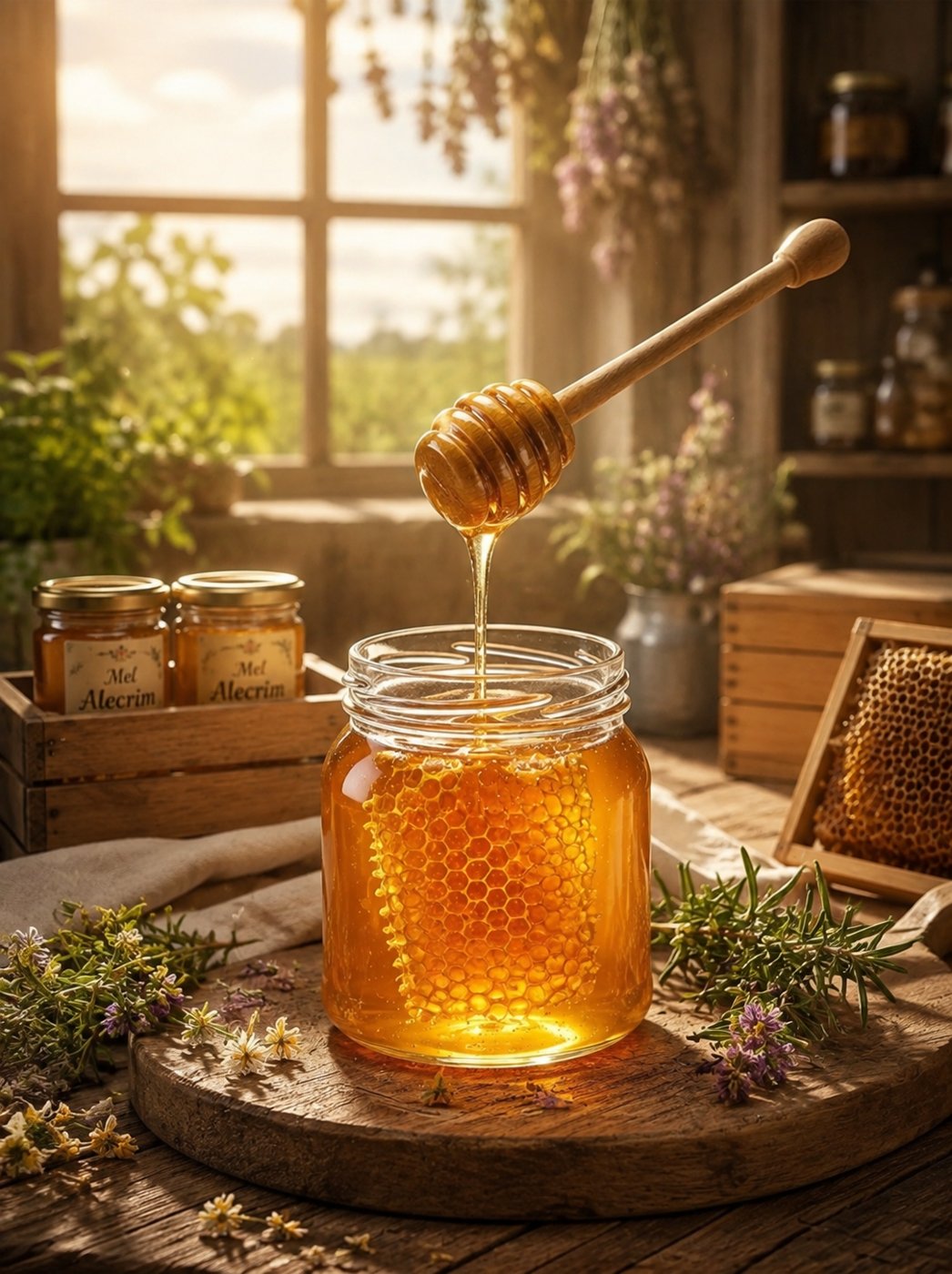
Raw honey. A sprig of rosemary. One quiet spoon before bed. It was never presented as anything clever — it was simply what the house did. The short presentation below looks at why that old evening habit is being talked about again by people over 50, and what researchers are actually studying about the ordinary foods behind it.

mel_compactada_5.jpgFree presentationRuns about 12 minutes · sound on
Watch the free presentation

No sign-up. You can close the page at any time.

Section one · The setup

Why memory starts behaving differently after 50

Nothing here is a diagnosis. These are four ordinary, well-documented reasons that everyday recall gets slower with age — and each one has more to do with daily life than most people expect.

Deep sleep gets shorter

The brain does its filing at night, mostly in the deepest stage of sleep. From midlife onward that stage naturally shrinks, and it is the stage sleep researchers most often connect to how well the previous day is retained. Fewer hours in it means a thinner file the next morning.

Attention is split thinner than ever

You cannot recall what you never properly recorded. Phones, notifications and doing three things at once mean information often arrives without ever being encoded. So it feels like forgetting — when the memory was simply never fully written down.

Circulation changes with the years

The brain is fed by the smallest vessels in the body, and blood flow through them shifts with age, blood pressure, weight and how much you move. It is one of the most active areas of ageing research, which is exactly why doctors keep asking about walking and blood pressure.

The plate quietly changed

Over forty years the everyday diet moved toward convenience and away from whole foods, herbs and simple sweeteners. Large observational studies keep circling back to that shift when they compare eating patterns with how people age. Not a cure — a pattern worth knowing.

Section two · Clearing the air

Three things almost everyone gets wrong

Most of the fear around memory after 50 comes from repeating claims nobody checked. Here is what tends to hold up.

The myth

“Losing your memory after 50 is simply inevitable.”

What holds up

Brains do change with age — but not on one fixed schedule. Two people the same age can be years apart in how they process and recall, and researchers spend most of their effort on why. Age is one factor among several, not a countdown.

The myth

“If I keep forgetting names, something is seriously wrong.”

What holds up

Names are the hardest thing memory does at any age: a name is an arbitrary label with no meaning attached to it. Occasional blanks are ordinary. Changes that keep getting worse, or that interfere with daily life, are a conversation for your doctor — not for a webpage.

The myth

“Whatever helps must be exotic, new and expensive.”

What holds up

Read the actual literature on ageing well and it is remarkably boring: sleep, walking, company, and traditional eating patterns built on ordinary kitchen ingredients. The oldest ideas keep outlasting the newest ones.

Section three · The routine itself

How the evening ritual was actually done

Three steps, in order, every night. Described here as a household routine — it is not a health protocol and it is not a treatment for anything.

STEP 01

Fix the hour, not the mood

The same time every evening, usually about an hour before bed. The point is not the clock — it is that a routine tied to a fixed hour survives, and a routine tied to remembering to do it does not. Habit researchers call it anchoring; the grandmothers just called it supper time.

Old rule of thumb: if it is not on the shelf you already walk past, it will not happen.

STEP 02

Warm the water, never boil it

A sprig of rosemary steeped in water that has cooled below boiling, then one spoon of raw, unfiltered honey stirred in at the end. Never into boiling water — heat is what strips raw honey of the delicate compounds that make it different from refined sugar in the first place. The taste should be resinous and floral, not sweet.

The jar mattered too: raw and unpasteurised, cloudy rather than clear, kept away from light.

STEP 03

Attach two minutes of recall to it

While the cup cools, name three specific things from the day — out loud or on paper. Not “work was fine” but the actual details. This is the part most people skip, and it is the part with the clearest support behind it: deliberate retrieval practice is one of the most consistently studied ways to strengthen what you keep.

Pairing a new behaviour with an existing one is called habit stacking. It is why the spoon and the recall belong in the same two minutes.

Section four · Where it comes from

An old jar, a common herb, and a long paper trail

Honey is one of the few foods that has never really gone out of use. Sealed jars have been recovered from Mediterranean storerooms thousands of years old, still unspoiled — a consequence of its chemistry, not of magic. In the households around that sea it was kept the way other kitchens keep salt: always present, used lightly, never thought about.

Rosemary is the other half of the story, and it carried a reputation long before anyone could test it. Greek students were said to wear sprigs of it while studying. Shakespeare has Ophelia say rosemary is for remembrance. That is folklore, and folklore is not evidence — but it is a clue about what people observed for long enough to write down.

What is being studied now

Modern interest is narrower and less romantic. Raw honey contains plant-derived compounds that refined sugar does not, and rosemary contains aromatic compounds that researchers have taken an interest in. Both appear in the broader body of work on traditional Mediterranean eating patterns and healthy ageing. None of that adds up to a claim that either ingredient does anything to memory, and honest reporting has to stop exactly there.

Worth keeping straight

What a tradition noticed and what a study measures are two different kinds of knowledge. Tradition tells you a habit was worth repeating for a very long time. Research tells you what a specific compound did under specific conditions. Anyone collapsing those two into a promise is selling you something — and we would rather you watch the presentation knowing that.

Section five · Sound familiar?

Six moments people over 50 mention most

These are ordinary experiences reported by millions of adults. They are not symptoms, they are not a checklist, and this page cannot assess anybody.

The doorway moment

You walk into the kitchen with a clear purpose and it evaporates the second you cross the threshold.

Names arrive three seconds late

You know the face, the job, the whole history — and the name shows up once the conversation has moved on.

Rereading the same paragraph

Your eyes finish the page and nothing landed, so you go back to the top and start again.

The daily search

Keys, glasses, phone. Ten minutes a day spent looking for objects you were holding a moment ago.

Evenings blur

By eight o’clock, following a conversation with several people in it takes noticeably more effort than it used to.

The list you never used to need

Four items at the shop now get written down, because two of them will otherwise be forgotten.

Please read this part carefully. Everything above is a common everyday experience, not a diagnostic sign, and recognising yourself in this list means nothing on its own. If changes to your memory are getting worse over time, worrying you or the people around you, or affecting your ability to manage daily life, book an appointment with a licensed healthcare professional. No website — this one included — can evaluate you.

Section six · What readers wrote in

Notes from people who tried the routine

Published with permission and printed as written. They describe personal experiences with an evening habit — nothing more.

Results disclaimer. The messages above describe individual personal experiences and are not typical, expected or guaranteed. They are not evidence of any outcome, they have not been evaluated by any medical authority, and nothing on this page is a promise that you will experience anything at all. Individual results vary.

Section seven · Straight answers

Questions we get asked

What exactly is on the next page?

A recorded presentation from the company that sponsored this article. It explains their approach in more detail and, at the end, offers a product for sale. We are telling you that now so nothing about it comes as a surprise. Watching costs nothing and there is no sign-up.

Is this a medical treatment?

No. Nothing described here is a medicine, a therapy or a substitute for medical care. The routine on this page is a description of a household habit built around ordinary food. It is not intended to diagnose, treat, cure or prevent any disease, and no statement here has been evaluated by the Food and Drug Administration.

I take prescription medication. Can I try this?

Ask your doctor or pharmacist first — genuinely, before you change anything. That applies to food, herbs and supplements just as much as to medication, because interactions are real and your prescriber is the only person who knows your full picture. Bring this page with you if it helps the conversation.

Is honey safe for everyone?

No, and it is worth being blunt about it. Honey should never be given to a child under one year old. It is still sugar, so anyone managing diabetes, blood sugar or weight should treat it accordingly and speak to their doctor. Allergies to honey, pollen or bee products exist. Rosemary in food amounts is common in cooking, but if you are pregnant, breastfeeding or on medication, ask a professional before adding anything regularly.

How long before I notice something?

We cannot answer that, and we would be inventing a number if we tried. Habits are studied over months rather than days, people differ enormously, and an evening routine is one small input among sleep, movement, stress, diet and genetics. Anyone giving you a confident timeline is guessing.

Do you get paid if I click?

Yes. This is sponsored content, the links are affiliate links, and we may be compensated if you buy something after clicking. That costs you nothing extra and does not change the price you pay. You are reading this because we would rather disclose it plainly than bury it in a footer.

Where can I read more, and who can I contact?

For general questions about a purchase, the seller on the next page handles orders, billing, shipping and refunds directly — their policies apply, not ours. For anything about this article, use the contact link in the footer below. For anything about your health, the right contact is your own doctor.

One last thing

The presentation is short. The decision is yours.

It runs about twelve minutes, it explains the reasoning behind the ritual in full, and it ends with an offer. Watch it, ignore it, or take the routine and do it yourself with a jar from the shop — all three are fine by us.

Watch the free presentation

Sponsored · affiliate link · no sign-up required